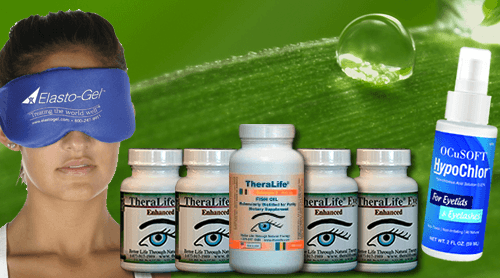

TheraLife.com offers products that benefit customers by addressing various eye conditions with a natural approach. For individuals seeking relief from eyelid inflammation, the site suggests herbal remedies such as chamomile, calendula, and turmeric. These botanicals are known for their anti-inflammatory properties but need careful application, especially on sensitive areas like the eyelids.
TheraLife’s products support ocular health by enhancing natural healing processes and reducing inflammation. Their targeted formulations aim to soothe conditions like blepharitis, dry eyes, and other related issues. The website also provides comprehensive guides on managing these conditions effectively, whether through dietary adjustments or specific eye care routines.
For example, their recommendations for blepharitis treatment emphasize the importance of maintaining eyelid hygiene and using products that gently manage inflammation without causing irritation. Additionally, TheraLife underscores the significance of an anti-inflammatory diet to support overall eye health.
By combining science-backed natural ingredients with practical advice, TheraLife.com empowers customers to manage their eye conditions effectively, promoting long-term relief and comfort.
Best Eyelid Inflammation Treatment From TheraLife- When Drops Don’t Work.
Key Takeaways
- Calendula is clinically recognized for reducing eyelid redness and swelling due to its potent anti-inflammatory and wound-healing properties.
- Turmeric, particularly its curcumin content, alleviates eyelid inflammation by modulating inflammatory pathways and promoting tissue healing.
- Chamomile is frequently recommended but lacks strong scientific evidence for effectiveness and may cause irritation or allergic reactions in sensitive users.
- Always use ophthalmically safe, properly formulated herbal products to minimize risks of irritation or adverse effects near the eyes.
- Consultation with an eye care professional is advised before trying herbal remedies for eyelid relief, especially when dealing with persistent symptoms.
Chamomile: Soothing Swelling and Redness
Although chamomile is frequently recommended as an herbal remedy for eyelid inflammation, current clinical evidence doesn’t support its efficacy in reducing swelling or redness.
When you apply a chamomile compress or use chamomile tea bags on affected eyelids, you’re relying on anecdotal reports rather than scientifically validated results. Studies haven’t demonstrated significant anti-inflammatory benefits of Matricaria recutita (chamomile) for periorbital edema or erythema.
Potential allergenic compounds in chamomile may even exacerbate periorbital dermatitis in sensitive individuals. If you consider a chamomile compress, it’s essential to monitor for adverse reactions such as irritation or allergic response.
Effective treatment methods for conditions like blepharitis often target both symptoms and underlying causes, ensuring comprehensive management and relief.
Calendula: Promoting Gentle Healing
Several herbal remedies claim to facilitate eyelid healing, and calendula (Calendula officinalis) frequently appears among them due to its reputed anti-inflammatory and wound-healing properties.
You’ll find that calendula properties include triterpenoids, flavonoids, and saponins, each contributing to its ability to suppress pro-inflammatory cytokines and support epithelial regeneration.
Clinical observations suggest topical calendula extracts may reduce erythema, edema, and discomfort associated with eyelid irritation.
As a part of evidence-based herbal remedies, calendula is valued for minimal cytotoxicity and its role in promoting granulation tissue formation.
You can consider calendula-infused compresses or ointments for localized application, ensuring the preparations are ophthalmically safe.
If you’re exploring gentle yet efficacious anti-inflammatory support, calendula offers a multifaceted approach in managing delicate periorbital skin concerns without significant adverse effects.
Additionally, clinical observations indicate the effectiveness of calendula extracts in alleviating symptoms of dry eye disease, a condition affecting millions globally.
Turmeric: Powerful Natural Support for Inflamed Eyelids
When considering herbal options for periorbital inflammation, turmeric (Curcuma longa) frequently emerges in discussions due to its principal bioactive constituent, curcumin.
You’ll find substantial evidence supporting turmeric benefits in reducing pro-inflammatory cytokines, inhibiting cyclooxygenase-2 (COX-2) activity, and modulating nuclear factor-kappa B (NF-κB) pathways—key components in ocular inflammatory processes.
For practical turmeric application, topical formulations such as curcumin-infused ointments or gel compresses offer localized anti-inflammatory effects, minimizing systemic absorption concerns.
Clinical studies indicate that curcumin’s antioxidant properties improve tissue healing and decrease periorbital edema.
However, you should exercise caution with direct application near the ocular surface, as curcumin’s bright pigmentation may cause irritation or staining.
Consult an ophthalmologist before initiating a regimen to integrate turmeric safely and effectively into your eyelid care routine.
For those experiencing chronic dry eyes, TheraLife Eye capsules aim to restore natural tear production and provide relief from inflammation.
Best Eyelid Inflammation Treatment From TheraLife- When Drops Don’t Work.
Frequently Asked Questions
Can Allergies Cause Recurring Eyelid Inflammation?
Yes, allergies can cause recurring eyelid inflammation, known as allergic blepharitis or allergic conjunctivitis.
You’re exposed to allergy triggers like pollen, dust mites, or pet dander, which can initiate an immune response, resulting in eyelid erythema, edema, and pruritus.
Consistent symptom management is essential; if you don’t minimize exposure to these allergens, inflammation often recurs.
Consider antihistamines, lubricating eye drops, and immunomodulatory therapies for evidence-based management.
Are There Any Side Effects of Anti-Inflammatory Herbs?
When you use anti-inflammatory herbs, you should be aware of potential side effects, including allergic reactions, gastrointestinal discomfort, or hepatotoxicity.
Herb interactions with pharmaceuticals—such as anticoagulants—can potentiate adverse effects. It’s essential that you follow evidence-based dosage recommendations to minimize toxicity and achieve therapeutic outcomes.
If you’re considering herbal supplementation, consult a healthcare professional, as improper dosing increases your risk for complications and undermines the herbs’ intended anti-inflammatory efficacy.
How Do Diet and Lifestyle Impact Eyelid Inflammation?
Research shows that up to 37% of eyelid inflammation cases link directly to modifiable risks like diet and lifestyle.
When you adopt dietary changes—reducing refined sugars and trans fats—and embrace lifestyle modifications such as adequate sleep and proper eyelid hygiene, you greatly decrease inflammatory markers like C-reactive protein.
These evidence-based strategies help you control triggers of blepharitis and meibomian gland dysfunction, actively supporting ocular surface health and minimizing recurrence rates.
Is Eyelid Inflammation Contagious?
Eyelid inflammation itself usually isn’t contagious, but you should know that certain eyelid infections, like bacterial or viral conjunctivitis, do facilitate inflammation transmission.
When you come into contact with infectious secretions, you risk spreading the pathogen, not the inflammation per se.
Employ rigorous hygiene, avoid sharing personal items, and seek prompt medical evaluation to mitigate the risk of eyelid infections and subsequent inflammatory responses.
Proper management interrupts the infection-inflammation cycle effectively.
When Should I See a Doctor for Swollen Eyelids?
If you experience swollen eyelids that persist beyond 48 hours, worsen over time, or are accompanied by vision changes, severe pain, or purulent discharge, you should know when to consult a physician promptly.
Immediate evaluation is warranted if you also have fever, facial swelling, or systemic symptoms, as these may indicate preseptal or orbital cellulitis.
Early intervention reduces the risk of complications and guarantees appropriate management through differential diagnosis and targeted therapeutic strategies.
Best MGD/Blepharitis Treatment From TheraLife- When Drops Don’t Work.
Conclusion
Theralife.com offers a range of products that provide significant relief for various eye conditions and enhance overall eye health. Their offerings focus on utilizing the power of nature and science to address issues like blepharitis, dry eyes, and uveitis, among others.
For instance, when inflammation affects the eyelids, Theralife’s products, such as their anti-inflammatory supplements, help reduce swelling and discomfort. These formulations are crafted to align with clinical recommendations, ensuring they are safe and effective for users.
Theralife also emphasizes the importance of an anti-inflammatory diet and proper eye care routines, which are crucial for managing conditions like dry eyes and blepharitis. Their comprehensive guides and products are designed to support patients in achieving optimal eye health without relying solely on pharmaceuticals.
Customers are encouraged to consult with healthcare professionals to integrate Theralife’s products seamlessly into their care plans. By focusing on precision and evidence-based practices, Theralife optimizes ocular health, providing targeted relief and promoting tissue recovery.
References
- 1.
- Putnam CM. Diagnosis and management of blepharitis: an optometrist’s perspective. Clin Optom (Auckl). 2016;8:71-78. [PMC free article] [PubMed]
- 2.
- Huggins AB, Carrasco JR, Eagle RC. MEN 2B masquerading as chronic blepharitis and euryblepharon. Orbit. 2019 Dec;38(6):514-518. [PubMed]
- 3.
- Dietrich-Ntoukas T. [Chronic Blepharitis]. Klin Monbl Augenheilkd. 2022 Nov;239(11):1381-1393. [PubMed]
- 4.
- Rodriguez-Garcia A, Loya-Garcia D, Hernandez-Quintela E, Navas A. Risk factors for ocular surface damage in Mexican patients with dry eye disease: a population-based study. Clin Ophthalmol. 2019;13:53-62. [PMC free article] [PubMed]
- 5.
- Choi FD, Juhasz MLW, Atanaskova Mesinkovska N. Topical ketoconazole: a systematic review of current dermatological applications and future developments. J Dermatolog Treat. 2019 Dec;30(8):760-771. [PubMed]
- 6.
- Tavassoli S, Wong N, Chan E. Ocular manifestations of rosacea: A clinical review. Clin Exp Ophthalmol. 2021 Mar;49(2):104-117. [PubMed]
- 7.
- Lin A, Ahmad S, Amescua G, Cheung AY, Choi DS, Jhanji V, Mian SI, Rhee MK, Viriya ET, Mah FS, Varu DM., American Academy of Ophthalmology Preferred Practice Pattern Cornea/External Disease Panel. Blepharitis Preferred Practice Pattern®. Ophthalmology. 2024 Apr;131(4):P50-P86. [PubMed]
- 8.
- Ozkan J, Willcox MD. The Ocular Microbiome: Molecular Characterisation of a Unique and Low Microbial Environment. Curr Eye Res. 2019 Jul;44(7):685-694. [PubMed]
- 9.
- Khoo P, Ooi KG, Watson S. Effectiveness of pharmaceutical interventions for meibomian gland dysfunction: An evidence-based review of clinical trials. Clin Exp Ophthalmol. 2019 Jul;47(5):658-668. [PubMed]
- 10.
- Soh Qin R, Tong Hak Tien L. Healthcare delivery in meibomian gland dysfunction and blepharitis. Ocul Surf. 2019 Apr;17(2):176-178. [PubMed]
- 11.
- Fromstein SR, Harthan JS, Patel J, Opitz DL. Demodex blepharitis: clinical perspectives. Clin Optom (Auckl). 2018;10:57-63. [PMC free article] [PubMed]
- 12.
- Romanowski JE, Nayyar SV, Romanowski EG, Jhanji V, Shanks RMQ, Kowalski RP. Speciation and Antibiotic Susceptibilities of Coagulase Negative Staphylococci Isolated from Ocular Infections. Antibiotics (Basel). 2021 Jun 16;10(6) [PMC free article] [PubMed]
- 13.
- Wolf R, Orion E, Tüzün Y. Periorbital (eyelid) dermatides. Clin Dermatol. 2014 Jan-Feb;32(1):131-40. [PubMed]
- 14.
- Chioveanu FG, Niculet E, Torlac C, Busila C, Tatu AL. Beyond the Surface: Understanding Demodex and Its Link to Blepharitis and Facial Dermatoses. Clin Ophthalmol. 2024;18:1801-1810. [PMC free article] [PubMed]
- 15.
- Sandford EC, Muntz A, Craig JP. Therapeutic potential of castor oil in managing blepharitis, meibomian gland dysfunction and dry eye. Clin Exp Optom. 2021 Apr;104(3):315-322. [PubMed]
- 16.
- Rhee MK, Yeu E, Barnett M, Rapuano CJ, Dhaliwal DK, Nichols KK, Karpecki P, Mah FS, Chan A, Mun J, Gaddie IB. Demodex Blepharitis: A Comprehensive Review of the Disease, Current Management, and Emerging Therapies. Eye Contact Lens. 2023 Aug 01;49(8):311-318. [PMC free article] [PubMed]
- 17.
- Lemp MA, Nichols KK. Blepharitis in the United States 2009: a survey-based perspective on prevalence and treatment. Ocul Surf. 2009 Apr;7(2 Suppl):S1-S14. [PubMed]
- 18.
- Schaumberg DA, Nichols JJ, Papas EB, Tong L, Uchino M, Nichols KK. The international workshop on meibomian gland dysfunction: report of the subcommittee on the epidemiology of, and associated risk factors for, MGD. Invest Ophthalmol Vis Sci. 2011 Mar;52(4):1994-2005. [PMC free article] [PubMed]
- 19.
- Viso E, Rodríguez-Ares MT, Abelenda D, Oubiña B, Gude F. Prevalence of asymptomatic and symptomatic meibomian gland dysfunction in the general population of Spain. Invest Ophthalmol Vis Sci. 2012 May 04;53(6):2601-6. [PubMed]
- 20.
- Rim TH, Kang MJ, Choi M, Seo KY, Kim SS. Ten-year incidence and prevalence of clinically diagnosed blepharitis in South Korea: a nationwide population-based cohort study. Clin Exp Ophthalmol. 2017 Jul;45(5):448-454. [PubMed]