Powerful Dry Eye Relief When Drops Don’t Work
- Powerful Dry Eye Relief From Inside Out
- Relief With Your Own Tears- No More Drops
- Restore and Revive Naturally With TheraLife
- Clinically Proven, Doctor’s Recommended
- 100% Money Back Guaranteed
Testimonial
“I had dry eyes before Lasik surgery in 2007. After Lasik, I was diagnosed with chronic dry eyes and blepharitis. My eyes were red, dry and painful. I tried many eye drops including prescription drop, antibiotic drops with no results. I started TheraLife Eye and can feel the difference in 2-3 weeks. I still cannot believe I have such total relief. I am so grateful for TheraLife.”
-C.L, Ohio
*Results may vary
Call and talk to a doctor if TheraLife is right for you- 1-877-917-1989 US/Canada
Why TheraLife Eye?
TheraLife Eye is an oral dry eye treatment when eye drops don’t work. Eye drops treat from the surface, where oral dry eye treatment addresses deficiencies at the cellular level. This is because dry eyes result in inflammation. Inflammation shuts down cell functions which produce tears and lubricants to keep the eyes healthy.
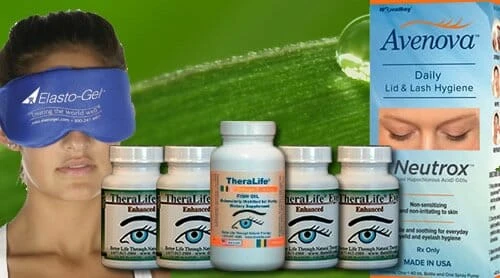
Chronic dry eyes often result in Blepharitis (inflammation of the eyelids) and MGD( meibomian gland dysfunction). For best results, TheraLife’s protocol relieves dry eyes, Blepharitis, MGD at the same time to stop this vicious cycle. See the discounted “Chronic Dry Eye Starter Kit” for more information.
TheraLife Eye formula improves cellular functions, reduces inflammation to restore and revive your tear production glands for dry eye relief.
Relief dry eyes with your own tears now. No more eye drops.
Learn how it works, click here
What is in TheraLife Eye?
For a list of ingredients, Go to this web page and click “Ingredients”
What are chronic dry eyes?
Chronic dry eye symptoms are burning, gritty, painful, watery, dry, blurry, and light sensitivity. Now you can get relief from your own natural balanced tears. No more drops! Learn more. You may have already been treated with antibiotics, hot compress, eye lid cleansing, and steroid eye drops. Learn more about Blepharitis, Meibomian Gland Dysfunction, and Dry Eye Syndrome.
Why TheraLife® Eye?
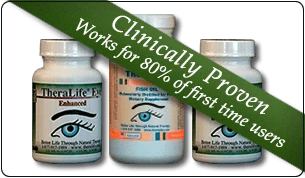
- Clinically Proven. Phase II Clinical Trials
- Works for 80% of first time users
- Reduces irritation and inflammation of tear glands, eye surface, eye lids.
- Restores your eyes own natural ability to produce tears.
- Restores and revitalizes the eye’s tear secretion function.
- More than fish oil or flax seed oil alone.
- No More Eye Drops!
- 90-Day Money Back Guarantee
Don’t delay, learn more about how TheraLife Eye Enhanced can help relieve your dry, itchy and irritated eyes today!
Why Natural

Natural is better. Organically grown food, solar energy, home remedies that work, and non-GMO products are unarguably better for us. So why shouldn’t our eye care also be natural?
Why Natural Eye Care?
Every ingredient in TheraLife Eye capsules is natural. All extracts from plants.
Everyone suffers from dry eyes at one point or another. Try these proven natural remedies before
rushing to use medicated eye drops or surgery to correct dry, irritated eyes.
Natural formulas are more balanced and effective and do not interfere with your current medications or treatments.
Through a unique proprietary and all-natural formula certified by the U.S. Food and Drug Administration, TheraLife Eye capsules – clinically proven to help those with chronic dry eyes find relief.
The results are astounding when added with other natural remedies! TheraLife has a complete line of all-natural supplements and supplies to help you find your way back to comfortable, pain-free eyes.
Why Oral?
TheraLife has an all-natural oral dry eye remedy that works.
TheraLife uses an oral method to relieve dry eyes internally, improving overall eye health in general.
Frequent use of eye drops from the surface of the eye makes eyes drier. Although over-the-counter eye drops can provide temporary relief, those who suffer from severe chronic dry eyes need a long-term solution. Therefore, TheraLife’s approach is an oral remedy. We relieve dry eyes from the inside out.
As a chronic dry eye relief leader, TheraLife addresses the root cause instead of masking the dry eye symptoms. The root cause is underactive tear production and inflammation. TheraLife provides complete relief by helping the body produce its tears, eliminating inflammation and dryness.
For severe dry eyes, artificial tears treated from the surface of the eye are no longer adequate. Instead, treating from the inside out improves overall health that delivers to the eyes to produce your own natural tears.
Most dry eye cases also involve meibomian oil gland dysfunction (MGD). Therefore, Theralife’s approach includes treatment for dry eyes, blepharitis, and MGD at the same time.
The eyes often reflect a more significant problem that must be treated internally (systemically). Certain nutrients such as vitamins A, C, D, E, & B6, Magnesium, GLA & DHA, Mucopolysaccharides (mucopolysaccharides are sugar molecules clumped together in a long chain) & turmeric may help ease chronic and severe dry eyes.
Dry, itchy eyes are often related to other health conditions in the body, such as additional mucous membrane dryness, brittle nails, and joints. In addition, severe dry eyes can indicate digestive imbalances, which result in autoimmune diseases such as Sjogren’s syndrome, rheumatoid arthritis, lupus erythematosus, or Hashimoto’s thyroiditis.
Who is at risk for dry eyes?
Dry eye is more common in older adults. It affects roughly 5 million people aged 50 years and older in the United States. Over 3.2 million are females, and 1.68 million are males.
However, it can occur at any age. There are nearly 16 million U.S. individuals who have dry eyes.
Causes
There are many reasons why dry eyes develop, including:
- Age – As a person’s natural aging process, you will experience some of the symptoms of dry eyes.
- Gender – Due to hormonal changes during pregnancy, menopause, or the use of oral contraceptives, dry eyes often happen in women.
- Medication – –Medications, such as antihistamines, antidepressants, and blood pressure medications can cause a dry eye to reduce tear production.
- Medical Conditions – Certain medical problems such as arthritis, diabetes, Sjogren’s, and thyroid issues can lead to dry eyes.
- Environment –Windy, bright sunlight, dry air, or pollutants can increase the development of dry eyes.
- Computers – Long hours of using computers without frequent blinking can lead to dry eyes
- LASIK surgeries– refractive eye surgery or wearing contact lenses can cause dry eyes.
- Abnormal Eye Conditions – Inflammation of the eyelids – blepharitis, Meibomian Gland Dysfunction, or a defect of the eyelids can all lead to dry eyes.
Dry Eye Symptoms
These dry eye symptoms can affect one or both eyes and include:
- Scratchy, stinging, burning sensation and eye pain in one or both eyes
- Thick, stringy mucus around or in the eyes – blepharitis
- Sensitivity to bright light- Photophobia
- Red eyes
- Foreign body sensation- feels like something is in the eye; actually, there is none.
- Contact lenses are getting dirty often, and eyes are feeling dry.
- Difficulties driving at night.
- Watery eyes
- Blurry vision
- Tired, irritated, red eyes
- Ocular rosacea
If any of these symptoms of dry eyes persist, see an eye doctor for the correct diagnosis.
Visit TheraLife for a complete line of products that help relieve and even eliminate these symptoms.
There is no cure for dry eyes, but we can relieve the symptoms and put your life back on track.
Diagnosis
A series of comprehensive eye examinations by a qualified eye doctor can test for the quality and quantity of tear production. Some tests determine health problems, medications, or outside factors contributing to dry eyes.
Examples of the tests are:
- Schirmer’s Test – Using a phenolphthalein dye thread under the eyelid to determine tear production determines dry eye syndrome. If the eyes produce too many or too few tears, this test can help determine the best treatment options. Normal tear production is 15-20mm of tear in 10 minutes.
- Rose Bangel Stains – to determine the damage to epithelial cells with this stain placed on the surface of the eye. Rose Bangel stains aid in diagnosing preocular tear film disorders and mucin preocular film deficiencies.
- Tear Break-up Test – Measures the viscosity of tear. How fast the tear spread while coating the eyeball. Apply Fluorescein to the surface of the eye, and the time it takes for the dye to disperse is measured. Other methods to measure tear viscosity include Keratometer, Keratoscope, or Telescope.
- Meibomian oil glands are located on your eyelids. Ask your eye doctor to express ( squeeze) the glands and tell you what comes out. Descriptions should be clear, cloudy, toothpaste or nothing comes out—an assessment of the extent of your MGD.
Once the causes are determined, the eye doctor can prescribe proper treatment plans.
TheraLife has many different products available to treat various dry eye symptoms and causes.
Conventional dry eye Treatment
Conventional dry eye treatment includes:
- Artificial Tears – For mild dry eye symptoms, the most common dry eye treatment prescribed by eye doctors is artificial tears. Application of artificial tears should be limited to no more than 3-4 times per day and can provide temporary relief. A word of caution: frequent use of eye drops can make your eyes drier.
- Autologous Blood Serum Drops –prepared from one’s own blood contain over 300 components, all of which have essential roles in maintaining a healthy ocular surface. None of the commercially available artificial tear preparations include these critical factors. Autologous serum drop is a typical dry eye treatment for Sjogren’s.
- Thick Gel Eye Ointment – Lubricating tear ointments are generally used at bedtime because the user typically experiences a blurry vision after application. They contain white petrolatum, mineral oil, and similar lubricants. Thick gel drops serve as a lubricant and an emollient for dry eye treatment.
- Nighttime goggles– Specially designed glasses form a moisture chamber around the eye to trap moisture for dry eye treatment.
- Omega-3 Fish Oil – Key Role in Dry Eye Relief – Consumption of dark-fleshed fish containing omega-3-fatty acid is associated with a decreased incidence of dry eye symptoms in women. Early experimental work on omega-3 has shown that it yields promising results when used in a topical application or given in the form of oral supplements. TheraLife provides a molecularly distilled Omega 3 Fish Oil for dry eyes.
- Steroid eye drops– to reduce eyelid inflammation.
- Blocking Tear Drainage – Two small punctal openings drain tears into the tear ducts in each eye. There are methods to partially or entirely close the tear ducts. Plugs the flow of tears into the nose, and thus more tears are available to the eyes. The two methods of blocking tear drainage are punctal plugs and cauterization.
- Punctal Plugs: Punctal plugs are inserted into the punctal to block tear drainage. For people who have not found dry eye relief with drugs, punctal plugs may help. Statistically,50% of the punctal plugs fall out within the first year.
- Cauterization: If punctal plugs are effective, thermal or electric cauterization of puncti can be performed as a permanent solution.
- Customized Contact Lenses – Persons with severe dry eyes may benefit from the Boston Scleral Lenses, customized bandage contact lenses. Resting on the sclera creates a fluid-filled layer over the cornea, thus preventing it from drying.
- Prescription eye drops: In more severe cases, a doctor may prescribe prescription eye drops like cyclosporine (Restasis, Cequa) or lifitegrast (Xiidra) to help reduce inflammation and increase tear production.
- Surgery – In severe cases of dry eye syndrome, partially sewn the eyelids together surgically can reduce the eyelid separation, hopefully leading to a reduction in tear evaporation. This procedure is not done very often and should be done only in consultation with an eye physician.
How to treat Meibomian Gland Dysfunction?
Warm compresses- either a microbead, gel, or electric warm compresses applied to eyelids twice a day to clear the blockage. Gently massage afterward to get the dirt out.
Intense Pulsed Light Therapy: This Intense Pulsed Light treatment is applied to eyelids to soften the clogging, typically done in a series of 4 treatments.
LipiFlow– Thermal Pulsation System to clear blocked oil glands. One-time treatment.
Home Remedies for dry eye treatment
Drink Enough Fluids
Staying hydrated is vital to many bodily organs working at peak proficiency. Suppose the body does not have enough water. In that case, significant organs such as the lungs, brain, and eyes can become dehydrated and function poorly. When the eyes become dehydrated, they can become dry, red, and itchy.
Tears constantly lubricate the eye, and water is vital in tear makeup; staying hydrated with fluids is top on our list.
Reminder: Try to drink at least (8) 8 oz. glasses of water every day.
Get Plenty of Regular Exercises Daily.
Engaging in cardio exercise for 30 minutes every day increases and improves circulation. Blood circulation delivers vital nutrients to the eyes. Hydration will enhance overall eye health.
Humidifiers Indoors
Climate has a large part to play in how dry eyes are over some time. The protective fluid covering the eyes can dry out when the climate is dry, leaving the eye surface dry and susceptible to irritation and redness.
When a home uses air conditioning in the summer or heat in the winter, the air can also dry. Investing in a humidifier to keep next to your bed or work area is especially helpful in fighting a dry climate.
Protective Eyewear Outdoors
Just as a dry climate can evaporate the protective fluid layer from the eyes, so can brightly light or wind. Whether skiing, riding in a convertible, or just having fun outdoors, be sure to include some protective Eyewear. Glasses that wrap around the eyes work best when outdoors.
Wear Goggles at Night
Some people sleep with their eyes partially open. To keep the eyes from drying out while you sleep, try goggles, a sleep mask, or eye gels to keep eyelids closed.
There are many different styles and materials used for maximum sleep comfort. Try different ones to find the perfect fit for your slumber. As an alternative to goggles, a warm compress at night can help keep the eyes closed and soothe irritated eyes.
Warm Compresses
A warm compress not only feels pleasing to the eyes but can help clear out blocked oil glands over time. The heat from the compress allows circulation to improve and the tiny muscles around the eyes to relax.
Patients who suffer from meibomian gland dysfunction or blepharitis find that a warm compress applied 2 to 3 times a day help to relieve symptoms is often effective.
A hot washcloth is not good enough for blepharitis or MGD ( clogged oil glands).
Using a compress can also bring relief to crusty, red, irritated, or puffy eyes.
These symptoms are typically a sign of blepharitis.
After loosening up the dirt and debris from the eyes, try cleaning the eyes using an eyelid cleanser to keep mites, dirt, and debris from collecting on the lashes, eyelids, and outer vision. We highly recommend Avenova.
Get Plenty of Sleep
Studies have shown that getting enough sleep not only helps the bodywork as intended, but it allows you to live longer. An active adult should get at least 7 to 8 hours of sleep per night.
Many people who work long hours and don’t allow their bodies to rest notice that their vision is also affected, and they feel unwell.
The eyes use tiny muscles constantly when we are awake to focus, move, and blink. These muscles become fatigued over time and need to rest during sleep. If you cannot get enough sleep, try closing your eyes for several minutes to allow the muscles to relax.
Cucumber Slices to Reduce Inflammation
A known treatment for reducing puffy eyes, cucumber slices have been used for many years at high-end spas to make patrons look and feel younger.
When resting the eyes after a long day of work, try placing a couple of cool cucumber slices over your lids. You will find that this not only reduces puffiness but reduces redness and dryness.
Eat Oily Fish
Omega-3 fatty acids are essential in a well-rounded diet. Eating a sufficient amount of oily fish, such as tuna or salmon, at least two times per week provides the body with the nutrients to help relieve dry eyes. If you cannot eat oily fish regularly, try taking a supplement containing omega-3 fish oil.
Be aware that not all supplements are created equal. Only molecularly purified, natural fish oil such as the type found in TheraLife Omega 3 Fish Oil capsules yield the best results.
Complications
When used frequently, artificial tears, prescription eye drops wash away the natural lubricants your eyes produce, making your eyes drier and drier.
When this happens, seek natural oral treatments for dry eyes that help you restore your tear functions for dry eye relief.
Tips to avoid dry eyes
Overuse Artificial Tears
Whether over-the-counter or prescription eye drops, frequent use of eye drops can be harmful to the eyes. The protective layer of fluid that covers the eyes is made up not only of water, but mucus, proteins, and lipids that thicken the tears and keep them from quick evaporation.
Using eye drops on a long-term basis can train the eyes to produce fewer natural tears, leading to even drier eyes. When this happens, look for all-natural oral dry eye treatments.
Computer Use
Staring at a computer screen for hours a day can cause havoc on the entire body. Hunched shoulders, painful lower back issues, and dry eyes are just a few of the side effects of sitting in front of a monitor all day.
Since computers are a part of our daily lives, avoiding them is often impossible.
For those who find themselves in this situation,
- Try to move around once every five minutes by turning, twisting, or stretching.
- Take a stand-up break every thirty minutes. Many companies invest in desks that move up and down to allow workers to stand or sit while working.
- Look away from the screen and stare at something far off once every ten minutes.
- Don’t forget to blink! When looking at a computer screen, they don’t blink as much. Blinking allows the tear film to redistribute and cover the ocular surface.
Refined Foods
Foods that are overly processed, such as white bread, refined sugar, and margarine, should be avoided when suffering from dry eyes. Instead, try less processed foods such as fresh fruits and vegetables, organic whole wheat bread, and green tea to help the body bolster its ability to function correctly.
Don’t Forget the Nutrients.- Vitamin D, Omega 3 fish oil,
Blinking – The normal blinking process acts as a pump on the lacrimal sac to move more fluid to the eye and distribute it across the surface of the eye. Blinking is essential for eye comfort because the tear film naturally begins to degrade after about 10 seconds and needs renewal.
How are tears made?
Several glands produce tears. The lacrimal glands produce watery content through openings in the upper eyelids. In both the upper and lower eyelids, the Meibomian glands just behind the eyelashes produce the oily smooth outer layer of tears that stops the watery tears from evaporating.
Composition of tear
There are three interrelated layers of the “tear film.” The moisture-laden surface of
the eye and continuity of that surface and the production of tears
relies on the function of three interrelated layers:
- Mucus layer, which has some anti-microbial properties.
- The slightly alkaline watery layer comprises up to 90% of the thickness of the tear film.
- Oily layer, which prevents evaporation of the tear film. Blinking renews the tear film by bringing watery and oily layers to remove debris. While the average blink rate is about 10-12 blinks per minute, our blink rate often slows when working on the computer. After about 10 seconds, the tear film becomes unstable – leading to tired, dry eyes. Unstable tear film applies when the blink is incomplete – not fully covering the cornea. The cornea tells the brain to send messages to the body to produce more or reduced tears and when to blink.
Mechanism of Dry Eyes
- Any disruption in the tear production process. Known as aqueous tear-deficient dry eye where the lacrimal glands don’t produce enough tear liquid.
- LASIK surgery temporarily disrupts the regular activity of the tear film mechanism. 60-70% of the superficial nerve fibers in the cornea are cut during LASIK. LASIK affects both sensings of dryness and the production of aqueous tears. As a result, the blinking rate can slow so much that the tear film deteriorates before the next blink reconstitutes it. The result may be many months of mild to severe symptoms. Eventually, this situation usually heals itself. When it does not, then chronic dry eyes set in.
- Tear evaporation is known as evaporative dry eye, resulting from meibomian gland inflammation.
- Blepharitis with inflamed eyelids can cause dry, itchy eye symptoms.
- Computer Users
- tend to blink much less frequently (about 3-4 times per minute versus the normal about 10-15 times per minute). Reduced blinking causes increased tear film instability and evaporation accompanied by eye strain and fatigue from staring at a computer screen. The monitor’s position below eye level allows the upper eyelid to cover more of the eye’s surface, protecting the tear film from evaporation.
- Other diseases that may be connected to dry eyes are Diabetes (especially with high blood sugar), migraine headaches, Rheumatoid Arthritis, Thyroid disease (lower lid does not move when blinking), Asthma, Lupus, and Glaucoma.
- Age: 75% of those over 65 experience dry, itchy eyes. You now have 40% of the tear film volume that you had when you were 18.
- Women’s hormonal changes can cause lowered tear production. During the first part of the menstrual cycle, dry eye symptoms increase when estrogen production is at its peak. Hormonal changes during pregnancy also worsen dry eye conditions. Post-menopause gives rise to a decrease in estrogen production linked to poor functioning of the meibomian gland. This gland produces an oily substance called meibum, which lies on top of the tear film and protects the tear film from rapid evaporation.
- Other causes for dry eyes are smoking, drinking much coffee, wearing contact lenses, air-conditioning, or places with low humidity.
- Vitamin D deficiency is associated with eye pain, inadequate tear film, an unstable tear film.
- Drugs that can cause dry eye symptoms:
- Antibiotics
- Antidepressants
- Antihistamines
- Appetite suppressants
- Birth control pills
- Blood pressure medications
- Diuretics
- Over-the-counter drugs to “remove red” from eyes
- Ulcer medications
- Weather. Dry, windy weather can trigger dry eyes. When temperatures below 30° C (86° F), the outermost layer of the tear film, the oily meibum layer, is stiff and may not adequately cover and protect the tear film. When that happens, the tear film evaporates very quickly.
How Your Eyes Stay Moist
The Mucous Membranes
The mucous layer is the innermost layer of the tear film, closest to the cornea’s surface. “Goblet cells,” floating in the conjunctiva, are gland-like cells in that they produce mucin. Mucin interacts with the watery layer of the tear film to form the thin mucous layer of the tear film, which coats the cornea and allows for even distribution of the tear film. Goblet cells can produce more mucin when the eye is irritated by environmental pollutants. Conversely, irritants such as some solvents can destroy goblet cells.
Eye surgery that holds the eyelids open can damage the conjunctiva and destroy goblet cells.
Therefore, so many people experience severe dry eyes after eye surgery.
The lacrimal Tear Glands
An aqueous layer (watery) makes up 90% of the thickness of the tear film. It is created by lacrimal glands, one for each eye, located behind the eyebrow. The lacrimal gland produces slightly alkaline (pH-7.4) liquid that flows through canals into the lacrimal sac, located on the inside of each eye beside the nose bridge. The action of blinking pumps tears onto and across the surface of the eye. Tears flow from the sac into the nose, – therefore you get a runny nose when there is too much fluid on the eyes’ surface.
Nerves connect to the lacrimal glands, providing sensory stimulation (i.e., see what happens when you cut an onion) to stimulate tears. Blood vessels also connect to the lacrimal glands distributing nutrients and oxygen to the gland. In addition, these glands are associated with the lymph system, which helps drain toxins and impurities from the eye’s surface.
Meibomian Oil Glands
A very thin lipid (oily) layer covers the outside of the tear film and helps slow tear evaporation. The Meibomian glands secrete meibum, located on the upper and lower eyelids between the eyelashes.
The Zeis and Moll glands also produce meibum. Meibum is a sebaceous material, which is fluid at body temperature. It slows tear film evaporation and lowers tear-film surface tension so that the tear film remains contoured to the eye’s surface and tears don’t spill down to the cheeks. When the eyelids are closed, the meibum makes the eye airtight.
Reference and Publications on Dry Eye Treatment
- AskMayoExpert. Dry eye disease. Rochester, Minn.: Mayo Foundation for Medical Education and Research; 2014.
- Dry eye. American Optometric Association. http://www.aoa.org/patients-and-public/eye-and-vision-problems/glossary-of-eye-and-vision-conditions/dry-eye?sso=y. Accessed June 2, 2015.
- What is dry eye? American Academy of Ophthalmology. www.geteyesmart.org/eyesmart/diseases/dry-eye/index.cfm. Accessed June 2, 2015.
- Yao W, et al. Dry eye syndrome: An update in office management. The American Journal of Medicine. 2011;124:1016.
- Stevenson W, et al. Dry eye disease. Archives of Ophthalmology. 2012;130:90.
- Shtein RM. Dry eyes. www.uptodate.com/home. Accessed June 2, 2015.
- Dry eye syndrome Summary Benchmark — 2014. American Academy of Ophthalmology. http://www.aao.org/summary-benchmark-detail/dry-eye-syndrome-summary-benchmark–october-2012. Accessed June 2, 2015.
- Rand AL, et al. Nutritional supplements for dry eye syndrome. Current Opinion in Ophthalmology. 2011;22:279.
- Facts about dry eye. National Eye Institute. http://www.nei.nih.gov/health/dryeye/dryeye.asp. Accessed June 2, 2015.
- Yanoff M, et al., eds. Dry eye. In: Ophthalmology. 4th ed. Edinburgh, U.K.: Mosby Elsevier; 2014. https://www.clinicalkey.com. Accessed June 2, 2015.
- Skalicky SE, et al. New agents for treating dry eye syndrome. Current Allergy and Asthma Reports. 2013;13:322.
- Toyos R, et al. Intense pulsed light treatment for dry eye disease due to meibomian gland dysfunction: A 3-year retrospective study. Photomedicine and Laser Surgery. 2015;33:41.
- Marcet MM, et al. Safety and efficacy of lacrimal drainage system plugs for dry eye syndrome. Ophthalmology. In press. Accessed June 2, 2015.
- Eye disorders. Natural Standard. https://naturalmedicines.therapeuticresearch.com. Accessed June 2, 2015.
- Castor bean. Natural Medicines Comprehensive Database. http://naturaldatabase.therapeuticresearch.com. Accessed June 2, 2015.
- Rocha EM, et al. Hormones and dry eye syndrome: An update on what we do and don’t know. Current Opinion in Ophthalmology. 2013;24:348.
- Omega-3 fatty acid. Natural Medicines Comprehensive Database. http://naturaldatabase.therapeuticresearch.com. Accessed June 3, 2015.
- Vitamin A. Natural Medicines Comprehensive Database. http://naturaldatabase.therapeuticresearch.com. Accessed June 3, 2015.
- Finis D, et al. Evaluation of an automated thermodynamic treatment (LipiFlow) system for meibomian gland dysfunction: A prospective, randomized, observer-masked trial. Ocular Surface. 2014;2:146.
- Robertson DM (expert opinion). Mayo Clinic, Rochester, Minn. June, 12, 2015.
- Zouboulis CC, et al., eds. A treatment strategy for rosacea. In: Pathogenesis and Treatment of Acne and Rosacea. Berlin Heidelberg: Springer-Verlag, 2014.
- Preferred practice pattern: Dry eye syndrome. San Francisco, Calif.: American Academy of Ophthalmology. http://one.aao.org/CE/PracticeGuidelines/PPP_Content.aspx?cid=127dbdce-4271-471a-b6d9-464b9d15b748. Accessed June 14, 2012.